
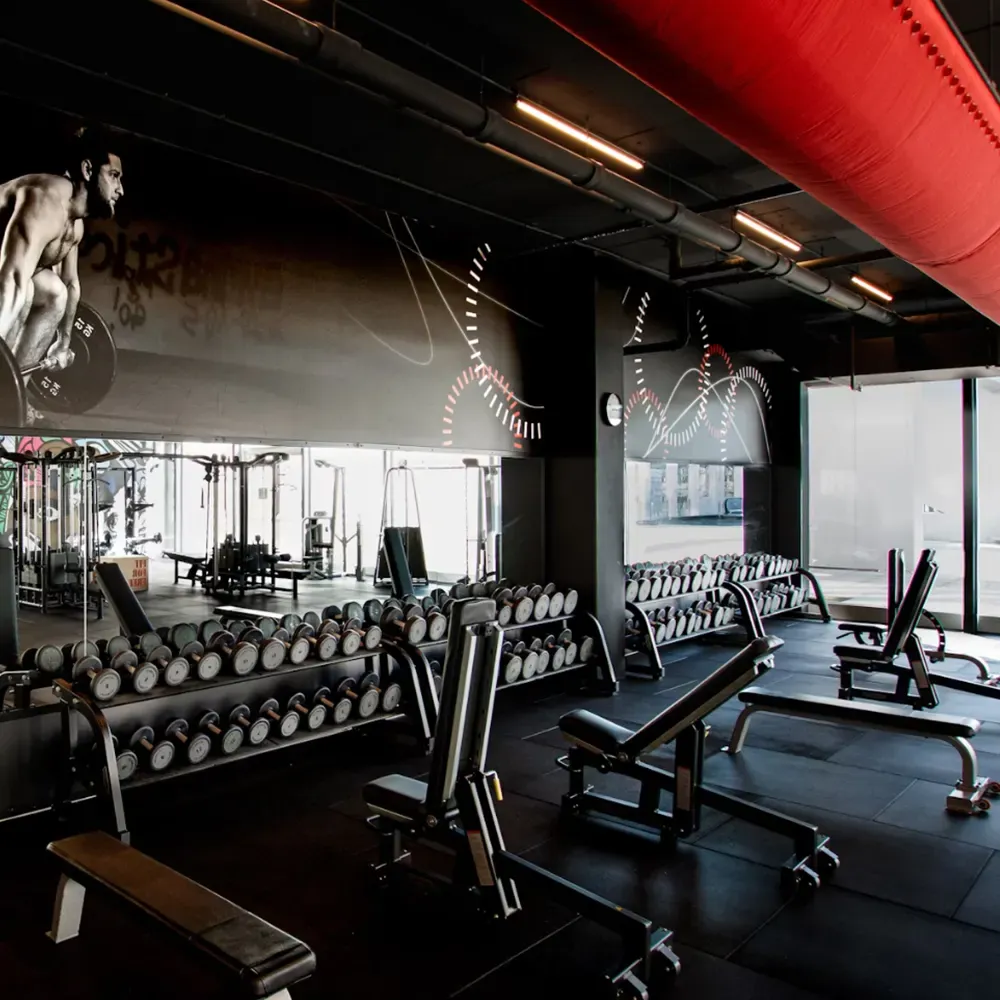
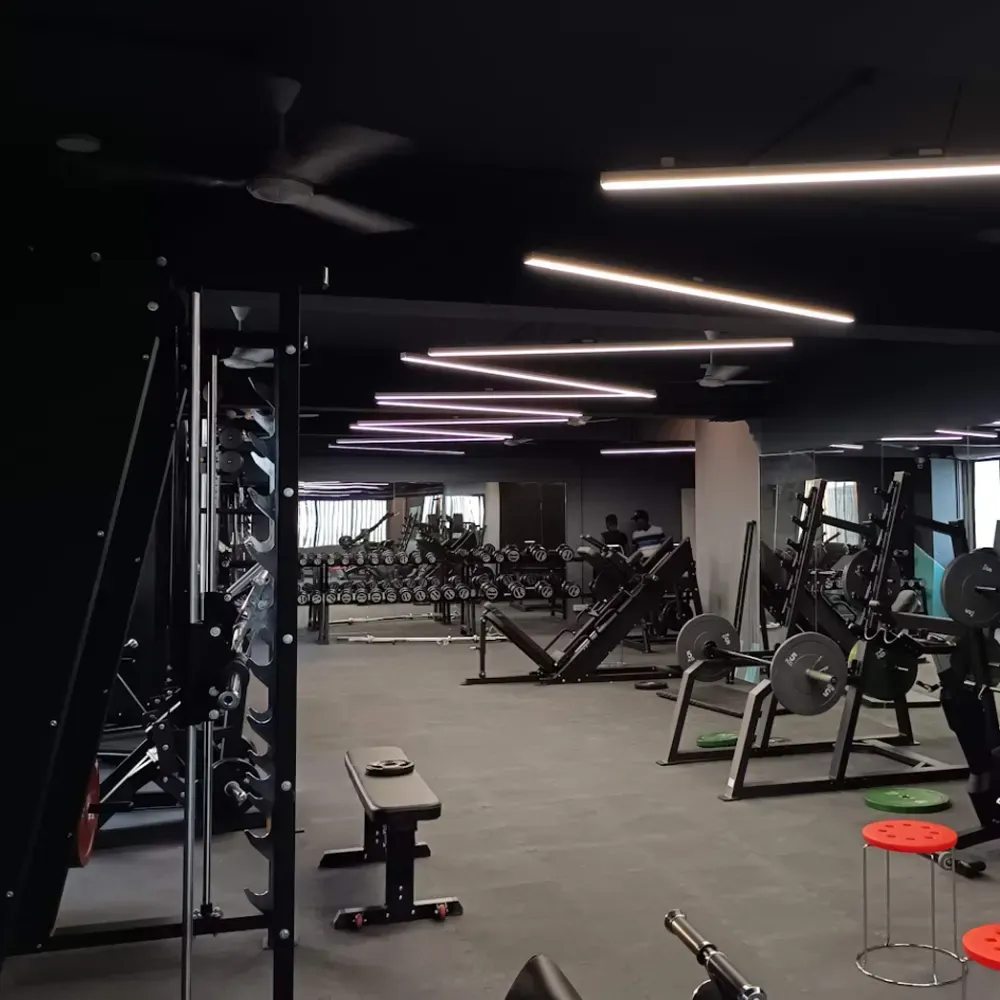
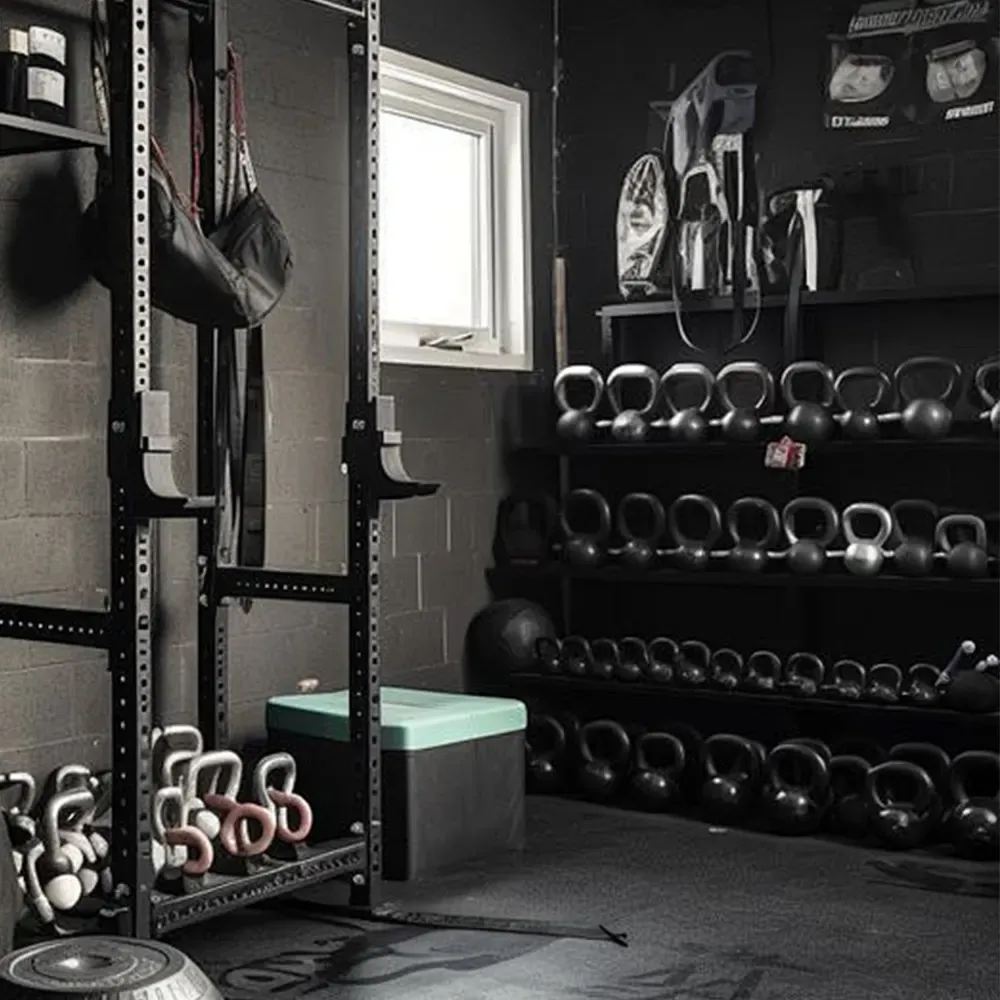
Opening or upgrading a gym is a major investment. The best equipment decision is not based on appearance or price alone. It should reflect who will use the facility, how they train, how busy the gym will be and how the space needs to perform every day.
Use the following framework to build a practical, balanced equipment package without overcrowding the floor or overspending on machines your members may rarely use.
## 1. Start with the facility and its members
A large fitness club, boutique studio, hotel gym and residential fitness room all need different equipment mixes. Before comparing models, define:
– Facility type and market position
– Available floor area and ceiling height
– Target members and preferred training styles
– Expected peak-hour traffic
– Opening budget and expansion plan
These answers determine whether your project should prioritize cardio, selectorized strength machines, plate-loaded equipment, free weights or a more flexible functional-training area.
## 2. Create a balanced training mix
A commercial gym should support a complete workout journey. Most projects combine four core zones:
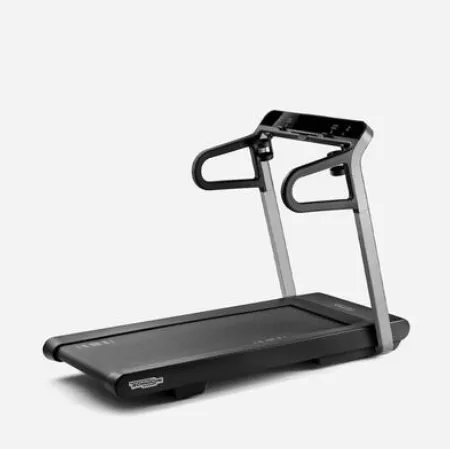
– **Cardio:** treadmills, ellipticals, bikes, stair climbers and rowers
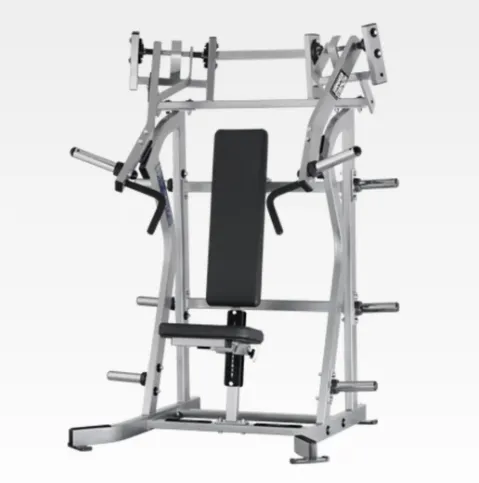
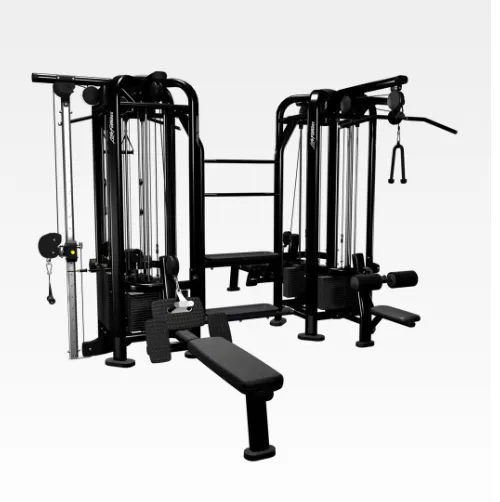
– **Strength:** selectorized machines, plate-loaded machines and cable systems
– **Free weights:** dumbbells, benches, racks, Smith machines and plate storage
– **Functional and recovery:** open training space, rigs, kettlebells, mats and mobility tools
The exact ratio depends on member demand. A compact facility may benefit from multi-purpose machines and fewer duplicated stations. A high-traffic club may need several units of its most popular equipment to reduce waiting during busy periods.
3. Look for commercial-grade construction
Home-use machines are not designed for continuous daily traffic. For commercial applications, review the details that affect durability and user confidence:
– Frame stability, steel construction and welding quality
– Powder coating and corrosion resistance
– Cables, pulleys, bearings and adjustment mechanisms
– Upholstery, grips and high-contact wear points
– User weight limits and equipment footprint
– Ease of inspection, cleaning and routine maintenance
For cardio equipment, also check motor performance, running or stride area, shock absorption, ventilation, safety systems and continuous operating capability.
Specifications matter, but they should match the expected workload. The goal is reliable performance—not simply the longest feature list.
## 4. Compare lifetime cost, not only purchase price
A low initial quote can become expensive when maintenance, downtime and hard-to-source spare parts are added later. Evaluate the complete cost of ownership:
**Equipment + freight + installation + maintenance + spare parts + downtime**
Ask how common wear parts are supplied, what technical documentation is included and how after-sales questions are handled. A durable machine with accessible parts can deliver stronger long-term value than a cheaper product that interrupts operations.
## 5. Evaluate the supplier as carefully as the equipment
For a commercial project, the supplier should be able to explain its production process and project workflow clearly. Before ordering, confirm:
– Product specifications and quality-control steps
– Custom colors, logos and configuration options
– Warranty scope and spare-parts availability
– Production lead time and packing method
– Export documentation and shipping support
– Installation guidance and troubleshooting process
For a large order, request product videos, inspection records or a factory visit when practical. Clear communication before production reduces avoidable changes later.
## 6. Finalize the layout before the order
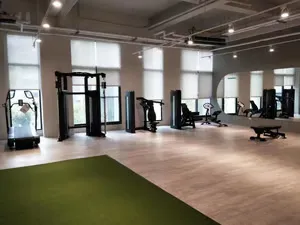
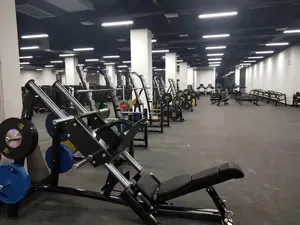
Equipment quantity should not be confirmed without a floor plan. A professional layout accounts for entrances, columns, emergency routes, training zones and safe circulation around every machine.
It also makes the purchasing list more accurate. You can identify duplicated functions, protect open training space and verify that large equipment can be moved through doors, corridors and elevators during installation.
Shipping should be planned at the same stage. Ask for package dimensions, total volume, gross weight and container requirements so the landed cost is visible before the purchase order is finalized.
## Build the right gym with DOBULEX
The most effective buying process starts with your floor plan, target users, preferred training mix and budget. DOBULEX can use this information to help shape an equipment recommendation and layout proposal for your project.
Share your project brief with the DOBULEX team to move from a general product list to a gym package designed around your actual space and operating needs.